
Coordinated Routes & Services
Understanding how individual routes, service frequencies and transport corridors connect to create more effective journeys.

Supporting a more coordinated public transport network through strategic route planning, transport corridor development and improved connections between communities, services and economic opportunities.
A successful public transport network is more than a collection of individual routes. It brings together transport services, passenger facilities and supporting infrastructure to make movement across the city more convenient and efficient.
GAPTE supports this integrated approach through transport network planning, coordination with metropolitan and municipal authorities, and engagement with transport operators and other relevant institutions.
Our planning focus is on how individual transport services can work together as part of a more connected, accessible and reliable network.
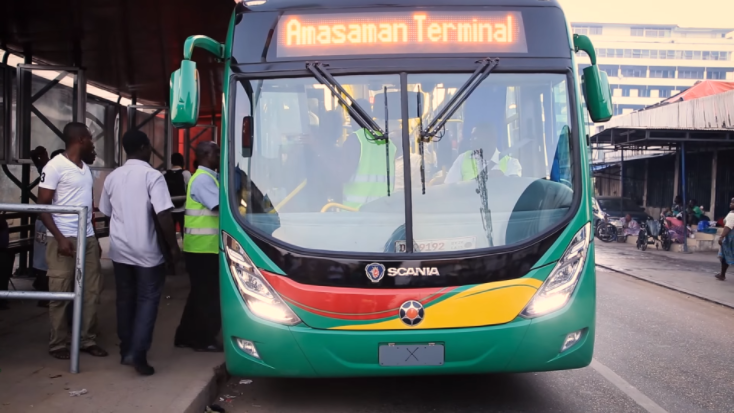
Bringing routes, services and communities together.
Three interconnected considerations guide effective transport network planning.
Understanding how individual routes, service frequencies and transport corridors connect to create more effective journeys.
Considering the role of terminals, stops and interchange points in supporting safe, convenient and inclusive passenger movement.
Working with local authorities, transport operators and partner institutions to align planning priorities and encourage consistent service delivery.
Effective network planning combines route design, infrastructure assessment, passenger information and institutional coordination to guide the development of public transport services.
Developing route designs, service specifications and scheduling approaches that support coordinated public transport operations across the metropolitan network.
Assessing transport corridors and passenger infrastructure needs, including bus stops, terminals and potential priority measures to support reliable transport services.
Using passenger surveys, travel patterns and corridor information to understand transport demand and inform network design and service planning decisions.
Working with participating Assemblies, transport authorities and relevant partners to coordinate network development and strengthen local transport planning capacity.
Network development requires cooperation across institutional boundaries. GAPTE's coordinating role helps connect metropolitan transport planning with the responsibilities of participating local authorities.
Effective transport planning begins with understanding how people travel, where services are needed and how existing networks perform.
GAPTE's planning framework recognises transport research, passenger information and operational data as essential inputs for network design, service improvements and long-term investment decisions.
Surveys and travel-demand studies help identify where passengers travel, their journey purposes, service needs and preferences.
Route information, corridor conditions and operational data support the assessment of network performance and future service requirements.
Transport modelling and demand forecasting provide a basis for evaluating proposed routes, service schedules and infrastructure development priorities.
Discover available reports, studies and planning resources relating to public transport and urban mobility.